%2Ffit-in%2F250x250%2Fusers%2Fb2b65c1a-c0a2-43d5-a7ff-90b8ffae0739%2Fimages%2F00e302d4-47a5-467e-8dcf-972451c073ea.jpeg&w=1920&q=100)
Night Fishing in Ohio - Guided Trip with Matt Stratton
Night Fishing in Ohio - What to Expect
%2F%2Fusers%2Fb2b65c1a-c0a2-43d5-a7ff-90b8ffae0739%2Fimages%2Fnight-fishing-ohio-waters-2386.jpg&w=1920&q=75)
Guided Fishing Trip by Guide Matt Stratton in June
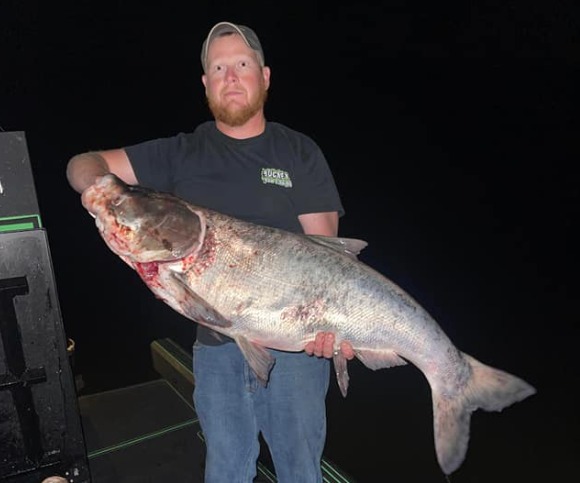
Meet your Guide Matt Stratton
- Orange Beach Nighttime Bowfishing Charters


Summary
Join a guided fishing trip on Ohio waters as night falls and the shoreline lights flicker to life. Matt Stratton of Buckeye Bowfishing specializes in evening and night fishing techniques that take advantage of reduced light conditions and changing fish behavior. Learn how nocturnal fishing patterns differ from daytime approaches on Friday, June 19th.
Night Fishing with Matt Stratton - Rates & Booking
Guide Matt Stratton of Buckeye Bowfishing offers night fishing experiences on Ohio waters. On Friday, June 19th, you'll depart as evening approaches and fish through the transition into darkness. Night fishing trips provide a unique opportunity to target species that feed actively after sunset, when light-sensitive fish move into shallower waters and feeding zones shift from daytime patterns.
Contact Buckeye Bowfishing directly to confirm availability, group size, and specific inclusions for your night fishing trip. Matt structures his guided fishing trips to maximize your learning about how fish behavior changes as natural light decreases and how to adapt techniques accordingly.
Highlights of Night Fishing with Matt Stratton
Night fishing transforms the entire experience compared to daytime angling. As daylight fades, water temperature stabilizes, light-sensitive species become more aggressive, and sight-hunting predators shift their feeding strategy. The deck of your boat becomes your working platform, with shoreline lights providing reference points and navigation assistance. You'll observe how fish respond to reduced visibility and learn to fish effectively using feel, sound, and subtle vibration detection rather than visual cues alone.
Ohio's inland waters during evening hours offer calmer conditions than midday, allowing for more precise boat positioning and quieter approaches. The transition period from dusk into full darkness is particularly productive, as many species anticipate feeding windows based on light cycles rather than clock time.
Local Night Fishing Insights
Night fishing on Ohio waters requires understanding how aquatic life responds to reduced light conditions. Fish species that feed during daylight hours may retreat to deeper water or dense cover when sunlight is strong. As evening arrives, these species move into shallower feeding zones, making them more accessible to anglers. The reduced visibility that challenges daytime fishing actually advantages night anglers who understand species-specific behavior changes.
Water temperature and oxygen levels remain relatively stable during evening hours, creating consistent conditions throughout your fishing window. Shoreline structure becomes more important at night because fish rely more heavily on habitat features to locate prey and navigate. Points, drop-offs, weed lines, and submerged wood that hold fish during the day often become prime feeding zones after dark as nocturnal predators establish feeding patterns.
Matt's expertise in Ohio night fishing comes from understanding how different species respond to light transitions. Some species are actively feeding within minutes of sunset, while others require full darkness before they move aggressively. Timing your presentation and location based on these behavioral patterns significantly improves your success. Night fishing also teaches you to fish by feel and sound cues, developing skills that transfer to low-light dawn and dusk fishing throughout the season.
The boat deck setup for night fishing requires careful attention to safety and visibility. Navigation lights help you and your guide maintain awareness while darkness falls around you. Working on a moving platform after dark demands focus and clear communication between angler and guide about positioning, casting angles, and target areas. Matt's guidance ensures you understand boat positioning relative to structure and how to effectively work your presentation when visual feedback is limited.
Conditions on the water tend to be calmer during evening hours compared to midday winds and boat traffic. This allows for more precise casting and better boat control near shallow cover. The absence of bright sunlight also means less water glare, which can actually improve fish feeding activity in certain depths and areas where bright midday sun creates challenging conditions.